
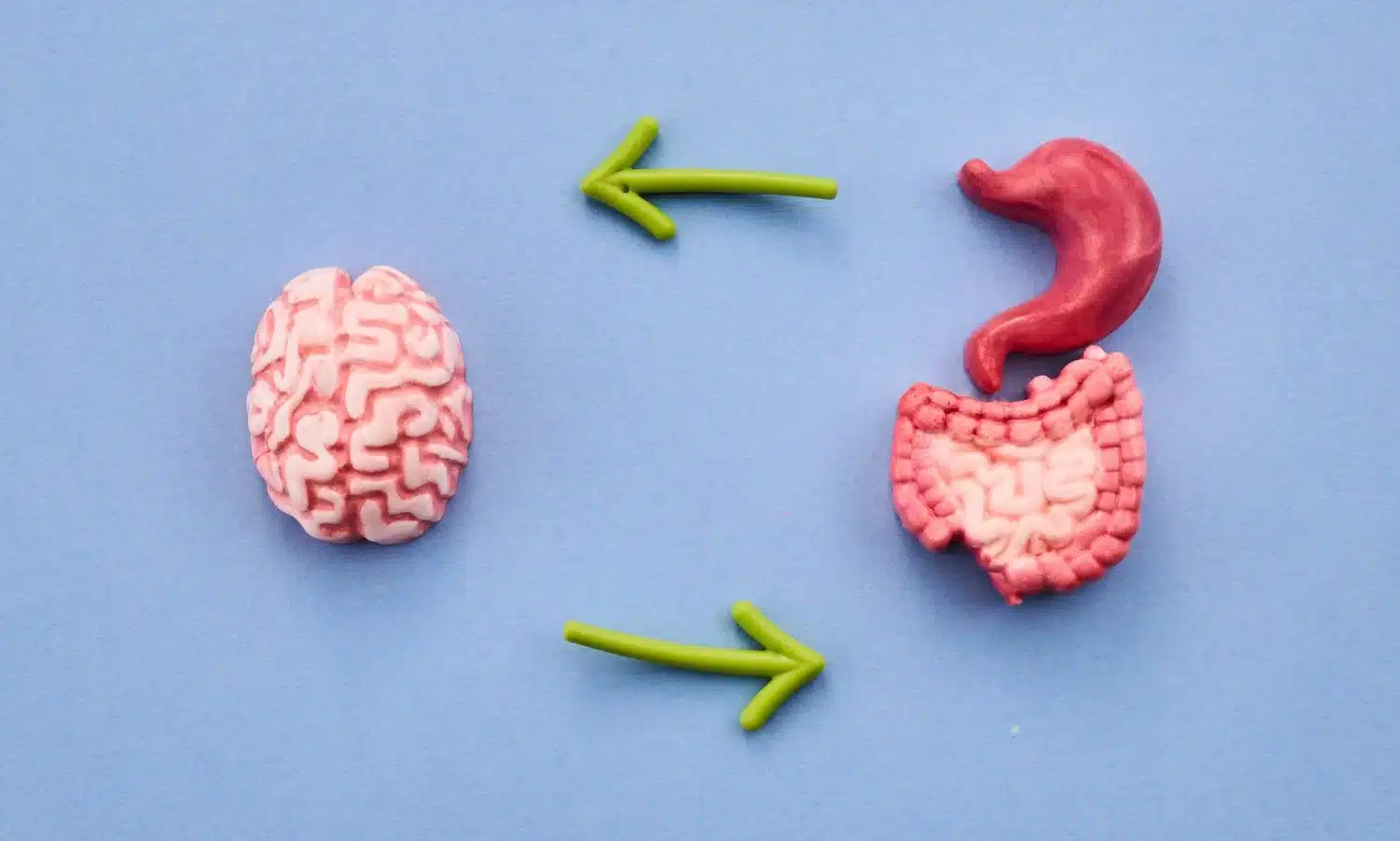
More and more, we hear about the gut–brain axis—but what exactly is it, and how can we support it?
A Brief History
The idea of a connection between the gut and the brain dates back to the 1820s–30s, when William Beaumont, an Army surgeon (later known as the “Father of Gastric Physiology”), studied digestion through a patient with a stomach wound. He observed that emotions could directly affect gastric activity.
Later, in the early 1900s, neurologist and physiologist Ivan Pavlov demonstrated that the brain could influence digestive processes. In his famous experiments with dogs, he showed that certain stimuli triggered increased salivation and gastric secretions—clear evidence of a connection between the brain and digestion.
In the late 20th century, Dr. Michael Gershon expanded on this idea by showing that the gut has its own nervous system and communicates with the brain. He introduced the concept of the gut as a “second brain.”
So, What Is the Gut–Brain Axis?
The gut–brain axis is a two-way communication system between your gut and your brain, involving both electrical and biochemical signals.
The main pathway connecting them is the vagus nerve, which carries signals in both directions.
Inside your digestive tract is the enteric nervous system (ENS)—a network of millions of neurons embedded in the gut wall. Often called the “second brain,” it can control digestion independently while constantly communicating with your brain.
The Microbiome: A Key Player
Your gut is home to trillions of microbes, collectively known as the microbiome, which play a vital role in your health and wellbeing.
These microbes can produce or influence:
- Neurotransmitters (such as serotonin, GABA, melatonin, and histamine)
- Short-chain fatty acids (like butyrate, acetate, and propionate) that affect brain function
Signals that influence inflammation and mood
Other Communication Pathways
The gut–brain axis also involves:
- Hormones (e.g., cortisol from stress) that affect gut function
- Immune system signals, including inflammation that can impact the brain
- Gut signals that regulate hunger, fullness, and mood
How the Gut and Brain Influence Each Other
This relationship is a continuous feedback loop:
- Mental stress can alter digestion and disrupt gut bacteria (e.g., diarrhea or discomfort)
- Gut imbalances can affect mood, focus, and stress levels
- You may lose appetite when anxious or experience “brain fog” when your gut is off
Chronic gut inflammation has been linked to anxiety and depression
Why It Matters
Understanding the gut–brain axis helps explain connections between:
- Stress and digestion
- Gut issues and anxiety
- Diet and mood/mental health
It also shows why lifestyle factors like:
- Sleep
- Diet (especially fiber and fermented foods)
- Stress management
…can influence both mental and gut health.
Signs Your Microbiome May Be Out of Balance
- Gas and bloating
- Food intolerances
- Digestive issues
- Chronic fatigue
- Aching joints and inflammation
- Skin conditions (e.g., acne, eczema)
- Difficulty concentrating or brain fog
- Anxiety and depression
Practical Examples: How the Gut–Brain Axis Shows Up in Daily Life
As a nutritionist, I often see the gut–brain connection play out in very real ways:
-
Stress and digestion:
Many people experience bloating, cramps, or even diarrhea during stressful periods. This happens because stress signals from the brain alter gut motility and microbial balance.
-
“Butterflies” in the stomach:
That nervous feeling before a presentation or event is your gut responding to brain signals via the vagus nerve.
-
Low mood and gut health:
Clients with poor gut health often report fatigue, low mood, or brain fog. While this is not the only cause, the microbiome can influence neurotransmitter production and inflammation.
-
Cravings and bacteria:
Certain gut bacteria may influence cravings—especially for sugar and processed foods—by interacting with your brain’s reward system.
-
Antibiotics and mood changes:
After a course of antibiotics, some people notice digestive changes along with low energy or mood shifts, likely due to disruption of the gut microbiome.
Practical Ways to Support the Gut–Brain Axis
Instead of focusing only on restriction, I encourage clients to add supportive habits:
-
Start with Fiber Diversity
Aim for a variety of plant foods (vegetables, fruits, legumes, whole grains).
Rotate ingredients—spinach one day, arugula the next; add lentils, chickpeas, seeds, or roasted vegetables.
-
Support Your Microbiome with Fermented Foods
If tolerated, introduce small amounts regularly.
- Start with 1 teaspoon of sauerkraut alongside meals and increase gradually if tolerated
- Swap a sugary drink for kombucha occasionally
Tip: Introduce slowly to avoid bloating.
-
Balance Blood Sugar for Mood Stability
Fluctuating blood sugar can affect both energy and mood. Instead of eating fruit alone, pair it with protein or fat:
- Apple (if tolerated) or slightly green banan + almond butter
- Yogurt + berries + seeds
-
Manage Stress Daily (Even Briefly)
Nutrition helps, but it cannot fully offset the effects of chronic stress.
- 5 minutes of deep breathing before meals
- A short walk after eating to support digestion
- Reducing screen time before bed
- Practicing relaxation or mindfulness
- Seeking professional support if needed
-
Prioritize Sleep
Poor sleep disrupts both gut bacteria and hunger hormones.
Create a simple evening routine:
- Dim lights 1 hour before bed
- Avoid heavy meals late at night
- Aim for consistent sleep and wake times
Final Thoughts
The gut–brain axis highlights how deeply interconnected our bodies are. Supporting it isn’t just about digestion—nor is it about perfection—it’s about consistency.
Even small, consistent lifestyle changes can have a meaningful impact on both your gut and your mental wellbeing.